Best Pizza POS System for Fast, Efficient Ordering & Management | Boost Your Sales
Table of Contents
Introduction
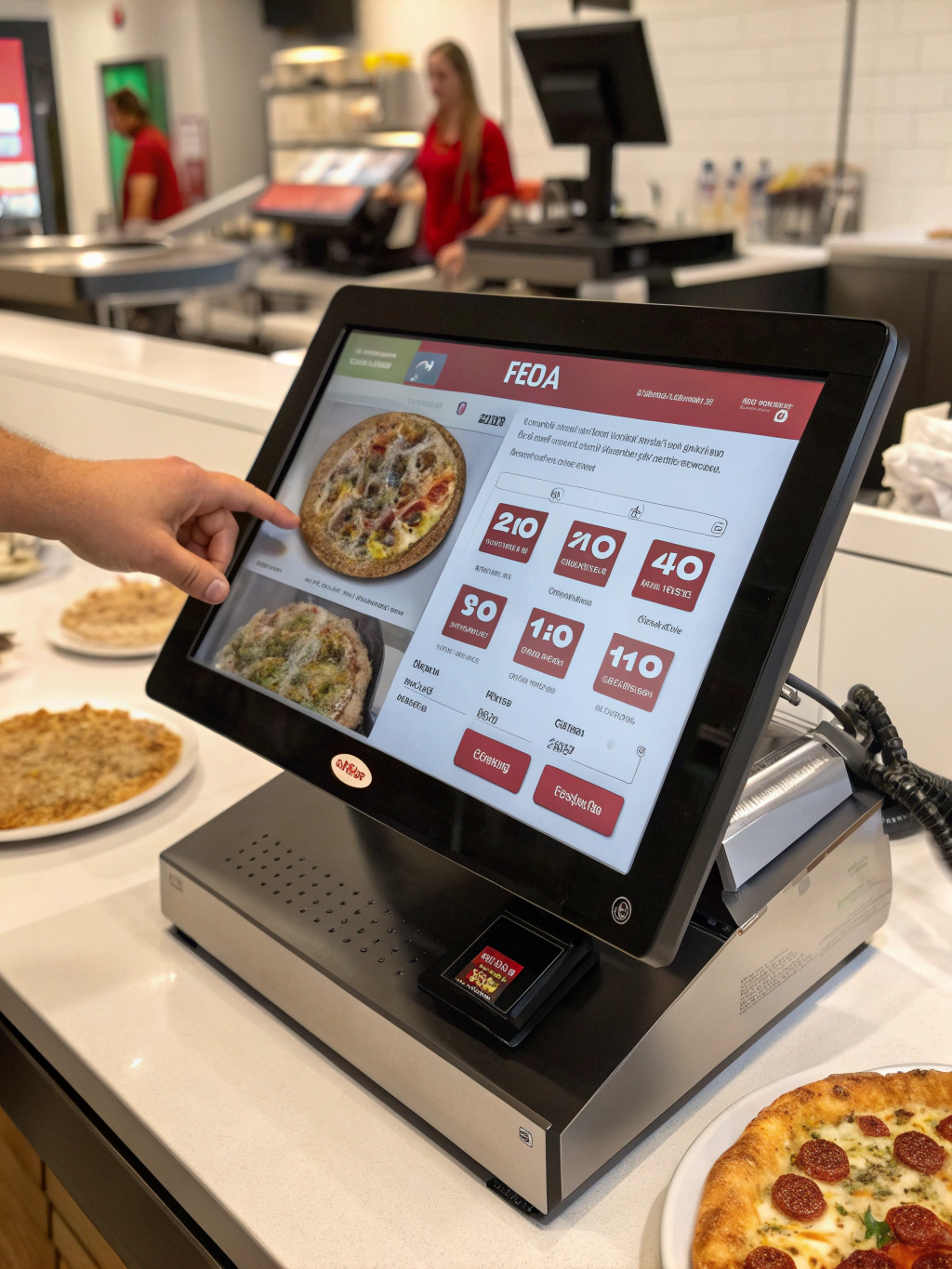
Did you know that pizza restaurants lose an average of 20% in potential sales due to inefficient ordering systems? In today’s competitive restaurant landscape, having the right technology can make the difference between thriving and merely surviving. Whether you run a small neighborhood pizzeria or manage multiple locations, implementing a robust pizza pos system is crucial for streamlining operations and maximizing revenue. The right system doesn’t just process payments it transforms your entire business workflow, from order taking to inventory management and customer relationship building. This comprehensive guide will help you identify the perfect pizza shop pos, pizza shop pos system, pizza pos, pizza point of sale systems, pizza restaurant point of sale solution to meet your unique business needs.
Key Components of an Effective Pizza POS System
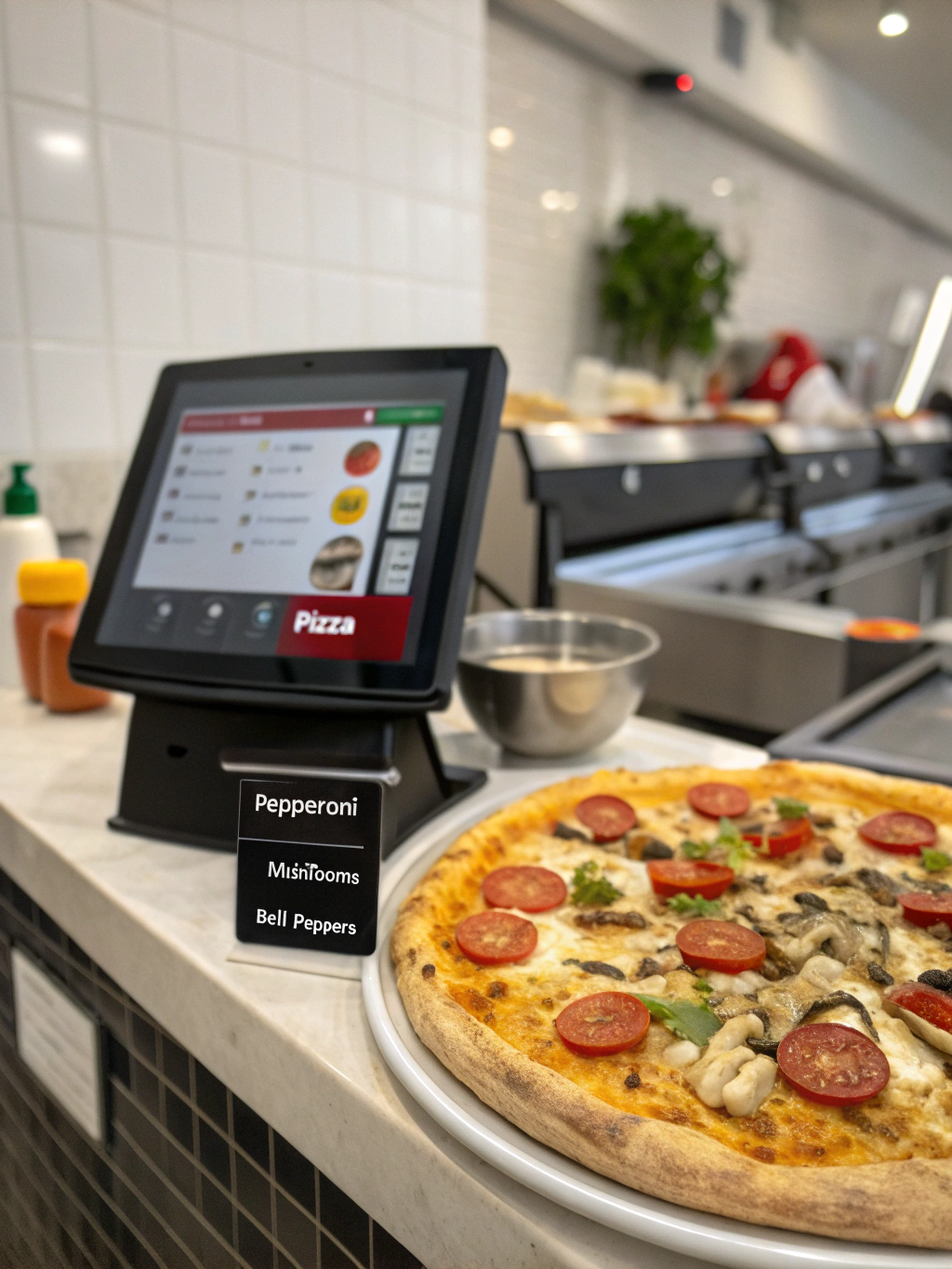
A powerful pizza pos system should include these essential elements:
- User-friendly interface: Intuitive design that servers can learn quickly
- Menu customization: Ability to handle pizza toppings, half-and-half orders, and special requests
- Online ordering integration: Seamless connection with your website and third-party platforms
- Mobile compatibility: Support for tableside ordering and payment processing
- Inventory management: Real-time tracking of ingredient levels and automatic reordering
- Customer database: CRM capabilities to track preferences and order history
- Sales analytics: Comprehensive reporting to identify trends and opportunities
- Employee management: Time tracking, scheduling, and performance monitoring
Consider systems that offer cloud-based backup and regular software updates to ensure your technology remains current and secure.
Timing Your POS Implementation
Transitioning to a new pizza pos system requires careful planning:
- Research and selection: 2-4 weeks (30% faster with a clear requirements list)
- Implementation and setup: 1-2 weeks
- Staff training: 3-5 days
- Transition period: 1-2 weeks of running parallel systems
Total time from decision to full implementation: 4-8 weeks, which is significantly less disruptive than the industry average of 3 months.
Step-by-Step Selection Process
Step 1: Assess Your Business Needs
Begin by evaluating your operation’s specific requirements. Consider order volume, delivery services, multiple locations, and growth plans. High-volume pizzerias need systems optimized for speed, while gourmet establishments might prioritize customization options.
Step 2: Set a Realistic Budget
Quality pizza shop pos systems typically cost $69-$200 per month per terminal, with additional costs for hardware and implementation. Factor in ROI metrics most restaurants see a 15-25% efficiency improvement within three months of implementation.
Step 3: Compare Top Providers
Research leading vendors that specialize in pizza restaurant operations. Request demos from at least three providers and prepare specific scenarios to test during demonstrations (busy Friday night, complex custom orders, etc.).
Step 4: Check Integration Capabilities
Ensure the system integrates with your existing tools: accounting software, online ordering platforms, delivery services, and loyalty programs. Seamless integration reduces double-entry and minimizes errors.
Step 5: Evaluate Support and Training
Choose a provider offering comprehensive training and 24/7 support. When your pizza pos system goes down during a Saturday night rush, immediate support becomes invaluable.
Cost-Benefit Analysis
Implementing a quality pizza pos system typically yields:
- 12-18% reduction in order errors
- 15-20% decrease in food waste
- 25-30% increase in upselling opportunities
- 10-15% improvement in table turnover rates
While the initial investment ranges from $2,000-$10,000 for a complete system, most pizzerias achieve full ROI within 8-12 months.
Common Implementation Mistakes to Avoid
- Insufficient training: Ensure all staff members receive thorough instruction
- Overlooking offline functionality: Select systems that operate during internet outages
- Neglecting scalability: Choose a solution that can grow with your business
- Ignoring mobile capabilities: Mobile ordering represents 60% of digital food orders
- Skipping data migration: Plan carefully for transferring existing customer information
Tips for Maximizing Your POS Investment
- Update your menu regularly to reflect seasonal offerings and price changes
- Use sales data to identify your most profitable items and prioritize them in server recommendations
- Analyze slow periods to create targeted promotions and special offers
- Review inventory reports weekly to minimize waste and prevent shortages
- Collect and analyze customer data to create personalized marketing campaigns
Conclusion
Selecting the right pizza pos system is a critical business decision that impacts every aspect of your restaurant’s operation. By focusing on systems specifically designed for pizza restaurants, you’ll gain efficiency, improve customer satisfaction, and ultimately increase profitability. Today’s advanced systems offer unprecedented integration and analytics capabilities, transforming point-of-sale from a simple transaction processor to a comprehensive business management tool. Take the time to thoroughly research your options, involve key staff members in the decision, and choose a solution that will support your restaurant’s unique needs and growth objectives.
FAQs
How much does a pizza restaurant POS system typically cost?
Most cloud-based systems range from $69-$200 monthly per terminal, plus hardware costs. Traditional on-premise systems may require larger upfront investments of $3,000-$5,000 per station but lower ongoing fees.
Can I integrate my POS with third-party delivery services?
Yes, most modern pizza pos systems offer integration with popular delivery platforms like DoorDash, Uber Eats, and Grubhub, allowing orders to flow directly into your kitchen without manual entry.
Do I need specialized hardware for a pizza restaurant POS?
While standard POS hardware works for most functions, consider pizza-specific additions like kitchen display systems optimized for topping modifications and heated delivery bags with tracking capabilities.
How long does staff training typically take?
Most employees can learn basic functions within 2-3 hours, but mastering all features typically takes 1-2 weeks of hands-on experience. Look for systems offering training videos and 24/7 support to accelerate the learning curve.
Can a POS system help with inventory management for pizza ingredients?
Absolutely. Advanced systems track ingredient usage per order, providing real-time inventory counts and alerting you when supplies run low. Some can even automatically generate purchase orders based on projected needs.
Did you try our recipe ?
There are no reviews yet. Be the first one to write one.