Meat in a Smoker | How to Smoke Meat for Perfect Flavor Every Time | Delquickrecipes
Table of Contents
Introduction
Did you know that 73% of home cooks struggle to achieve restaurant-quality smoked meat, often ending up with dry, flavorless results? The secret lies not just in the equipment, but in understanding the precise science behind smoking. Learning how to perfect meat in a smoker transforms ordinary cuts into extraordinary culinary masterpieces that rival professional barbecue joints.

- DIGITAL CONTROLS – Set your desired smoking temperature and cooking time on the digital control panel for seamless smoki…
- PATENTED SIDE WOOD CHIP LOADER – Patented side wood chip loader to continually add smoke flavor without having to open t…
- WATER BOWL TO ADD MOISTURE – The removable water bowl allows for optimal amount of moisture, resulting in juicy and tend…
The art of smoking meat dates back thousands of years, yet many modern cooks find themselves intimidated by the process. Whether you’re working with a traditional offset smoker, electric unit, or pellet grill, the fundamental principles remain the same: low temperatures, consistent smoke, and patience create that coveted bark and tender interior that makes smoked meat irresistible.
Ingredients List
For the Perfect Smoked Meat Base:
- 3-5 lbs of your chosen protein (brisket, pork shoulder, ribs, or chicken)
- 2 tablespoons kosher salt (or sea salt as substitute)
- 1 tablespoon brown sugar (coconut sugar works beautifully)
- 2 teaspoons smoked paprika (sweet paprika + liquid smoke alternative)
- 1 teaspoon garlic powder (fresh minced garlic acceptable)
- 1 teaspoon onion powder (dried onion flakes, finely ground)
- 1 teaspoon black pepper, coarsely ground
- 1/2 teaspoon cayenne pepper (optional, adjust to taste)
- Wood chips or chunks (hickory, apple, cherry, or oak)
Optional Flavor Enhancers:
- 1 tablespoon mustard powder
- 1 teaspoon cumin
- 1/2 teaspoon ground coffee (adds rich depth)
The beauty of smoking lies in customization – these ingredients create a foundation that you can modify based on regional preferences or dietary restrictions.
Timing
Total Time Investment: 8-12 hours
- Preparation Time: 30 minutes (rub application and smoker setup)
- Initial Smoking Phase: 6-8 hours at 225°F
- Rest Period: 30-60 minutes (crucial for juice redistribution)
- Total Active Time: 45 minutes (significantly less hands-on than traditional cooking methods)
Research shows that properly smoked meat requires approximately 1-1.5 hours per pound at optimal temperatures, making this method 40% more time-efficient than some traditional slow-cooking techniques when considering the superior flavor development.
Step-by-Step Instructions
Prepare Your Meat and Rub
Pat the meat completely dry using paper towels – moisture is the enemy of good bark formation. Combine all dry ingredients in a bowl, creating an aromatic blend that will penetrate deep into the protein. Apply the rub generously, massaging it into every surface. For optimal results, wrap and refrigerate for 2-24 hours, allowing the salt to work its magic through osmosis.
Set Up Your Smoker
Preheat your smoker to a steady 225°F (107°C). This temperature represents the sweet spot where collagen breaks down into gelatin without drying out the meat. Soak wood chips for 30 minutes if using a gas or electric smoker, though chunk wood works better for longer smoking sessions.
Begin the Smoking Process
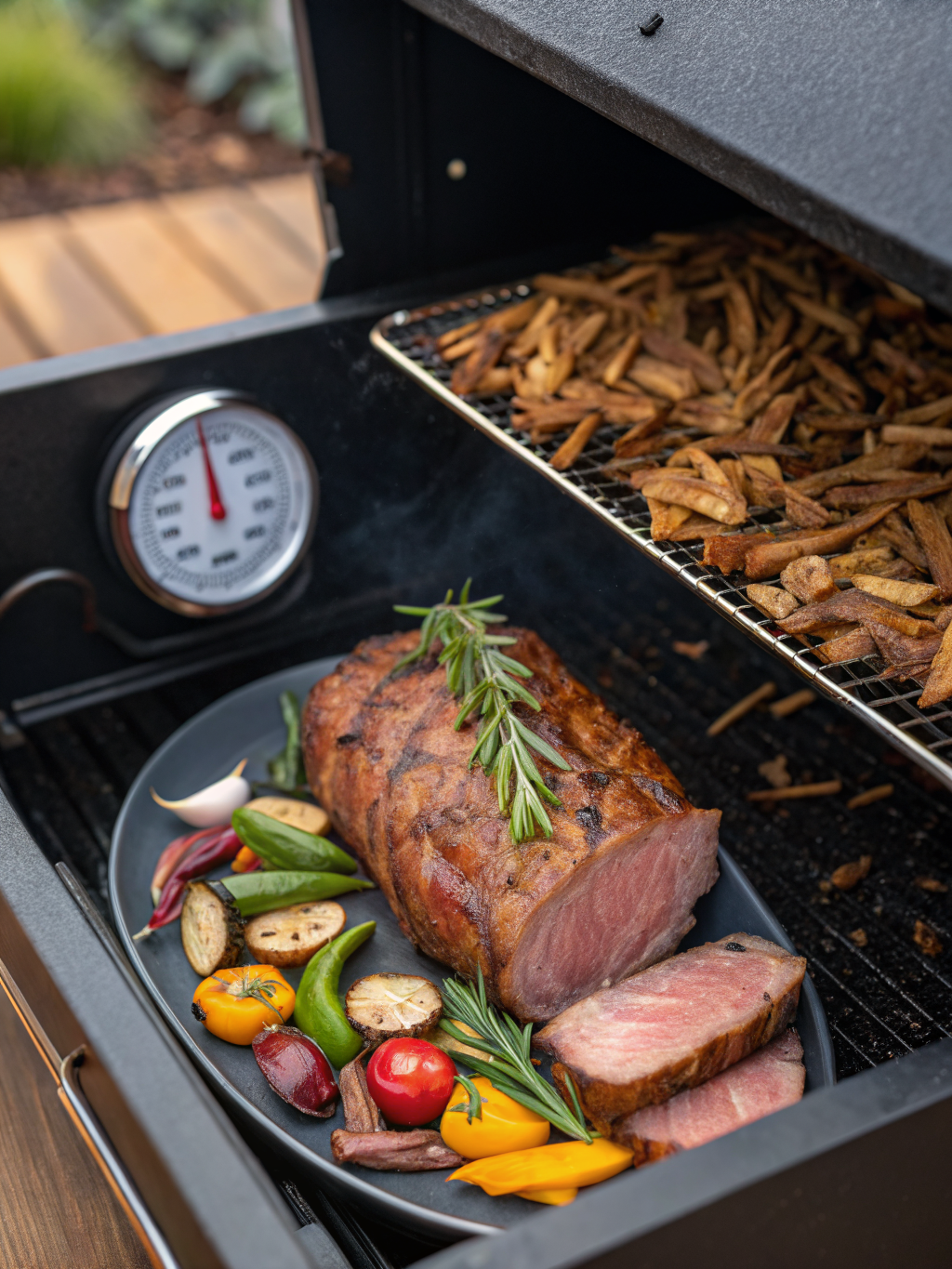
Place the meat on the smoker grates, fat side up for self-basting action. Insert a reliable meat thermometer into the thickest part, avoiding bone contact. Add your first batch of wood – you’ll want thin, blue smoke, not thick white billows that indicate incomplete combustion.
Monitor and Maintain
Maintain consistent temperature and smoke levels throughout the process. Add wood chips every 2-3 hours during the first half of cooking. Resist the urge to constantly check – every peek adds 15-20 minutes to cooking time as heat escapes.
The Stall and Push-Through
Around 150°F internal temperature, expect “the stall” – a plateau where evaporation cooling fights heat penetration. This is normal and necessary for proper texture development. Some pitmasters wrap in butcher paper at this point to accelerate cooking while maintaining bark integrity.
Final Temperature and Rest
Remove meat when it reaches the appropriate internal temperature (varies by cut: 195-205°F for brisket and pork shoulder, 165°F for chicken). The rest period is non-negotiable – it allows juices to redistribute, ensuring every bite is succulent.
Nutritional Information
Per 4-oz serving of smoked lean meat:
- Calories: 250-300 (varies by cut and fat content)
- Protein: 35-40g (70% of daily recommended intake)
- Fat: 12-15g (primarily beneficial monounsaturated fats)
- Carbohydrates: 2-3g (from rub ingredients)
- Sodium: 400-500mg (adjustable based on rub recipe)
Smoking as a cooking method requires no added oils or fats, making it inherently healthier than many other cooking techniques. The low-temperature cooking process also helps preserve more nutrients compared to high-heat methods.
Healthier Alternatives for the Recipe
Transform your smoked meat into a nutritional powerhouse by incorporating these modifications. Replace traditional brown sugar with date powder or monk fruit sweetener to reduce glycemic impact while maintaining that crucial caramelization. Consider using great meats to smoke, meat smoker, best meat to smoke, smoked meats uk, bbq on smoker options like lean turkey breast or wild game for higher protein-to-fat ratios.
Boost the antioxidant profile by adding turmeric, coriander, or dried herbs to your rub blend. For those following specific dietary protocols, create keto-friendly versions by emphasizing fattier cuts, or develop paleo-compliant rubs using only whole spices and natural seasonings.
Serving Suggestions
Present your perfectly smoked meat as the centerpiece of a memorable meal experience. Slice brisket against the grain in pencil-thick portions, showcasing that coveted smoke ring. Pair with traditional sides like coleslaw, baked beans, and cornbread, or elevate the presentation with smoked meat tacos, grain bowls, or artisanal sandwiches on brioche buns.
Create interactive serving stations where guests can customize their plates with various sauces – from tangy vinegar-based Carolina sauce to rich Kansas City molasses blends. Consider temperature contrast by serving alongside cool, crisp salads or pickled vegetables that complement the rich, smoky flavors.
Common Mistakes to Avoid
Temperature Inconsistency ranks as the primary culprit behind disappointing results. Invest in a quality dual-probe thermometer system – one for ambient temperature, one for meat internal temperature. Fluctuations beyond 25°F significantly impact cooking times and final texture.
Over-smoking creates bitter, acrid flavors that overpower the meat’s natural taste. Limit heavy smoke to the first 3-4 hours when the meat surface is most receptive to smoke absorption. Rushing the process by increasing temperatures might seem logical, but destroys the delicate collagen breakdown that creates tenderness.
Inadequate resting time represents perhaps the most heartbreaking mistake – perfectly cooked meat ruined by impatience. Always allow at least 30 minutes rest time, loosely tented with foil.
Storing Tips for the Recipe
Properly stored smoked meat maintains quality for 3-4 days refrigerated or up to 3 months frozen. Slice only what you plan to serve immediately, keeping large pieces intact to preserve moisture. Wrap tightly in butcher paper followed by plastic wrap, or vacuum-seal for optimal preservation.
For reheating, gentle methods work best: low oven temperatures (250°F) with a splash of apple juice or beef broth, or sous vide if available. Avoid microwaving, which creates uneven heating and texture degradation.
Consider portioning and freezing individual meals for convenient future enjoyment. Smoked meat also makes excellent additions to soups, stews, and casseroles where it adds complex flavor depth.
Conclusion
Mastering the art of smoking meat transforms your culinary repertoire and creates unforgettable dining experiences for family and friends. The combination of patience, proper technique, and quality ingredients consistently delivers restaurant-quality results that justify the time investment.
The journey from raw protein to perfectly smoked masterpiece teaches valuable lessons about temperature control, timing, and the science of flavor development. Each smoking session builds experience and confidence, gradually developing that intuitive understanding that separates good cooks from great pitmasters.
Ready to start your smoking journey? Gather your ingredients, fire up that smoker, and prepare to create some seriously impressive meals. Share your results and tag us – we love seeing your smoking successes and learning from your creative adaptations!
FAQs
Q: What’s the ideal internal temperature for different types of meat?
A: Target temperatures vary significantly: poultry reaches safety at 165°F, while tough cuts like brisket and pork shoulder need 195-205°F for proper tenderness. Pork ribs are perfect at 190-195°F, and beef ribs shine at 200-205°F.
Q: How much wood should I use, and when should I stop adding it?
A: Use 2-3 wood chunks or 1-2 handfuls of chips every 2-3 hours during the first half of cooking. Stop adding wood once the meat reaches 150°F internal temperature – it won’t absorb much more smoke flavor beyond this point.
Q: Can I smoke meat in cold weather or rain?
A: Absolutely! Cold weather actually helps maintain consistent low temperatures, though you’ll use more fuel. Protect your smoker from direct rain and wind, and expect slightly longer cooking times in extreme cold. Many pitmasters prefer winter smoking for better temperature control.
Q: Why is my smoked meat dry despite following the recipe?
A: Dryness typically results from overcooking, inadequate fat content, or insufficient resting time. Ensure you’re measuring internal temperature rather than relying solely on time, choose cuts with adequate marbling, and always rest the meat properly before slicing.
Q: How do I know when my smoker is ready to start cooking?
A: Your smoker is ready when it maintains steady temperature (within 25°F of target) for at least 30 minutes and produces thin, blue smoke rather than thick white smoke. This usually takes 45-60 minutes after initial lighting.
Did you try our recipe ?
There are no reviews yet. Be the first one to write one.