Simple Meal Prep Ideas for the Week | Healthy & Easy Recipes for Busy Days
Table of Contents
Introduction
Did you know that the average American spends over 37 minutes preparing meals each day, adding up to more than 4 hours per week? What if you could reclaim that time while actually eating healthier meals? That’s exactly what meal prep ideas for the week can offer you. By dedicating just 2-3 hours on a Sunday afternoon, you can prepare nutritious, delicious meals that will keep you on track throughout even your busiest weekdays.
In this comprehensive guide, we’ll walk through practical, time-saving meal prep recipes, meal prep ideas healthy, meal prep ideas, meal prep lunch ideas, cheap meal prep ideas that don’t sacrifice flavor for convenience. These strategies have helped thousands of busy professionals, parents, and students maintain a balanced diet without the daily stress of cooking from scratch.
Ingredients List
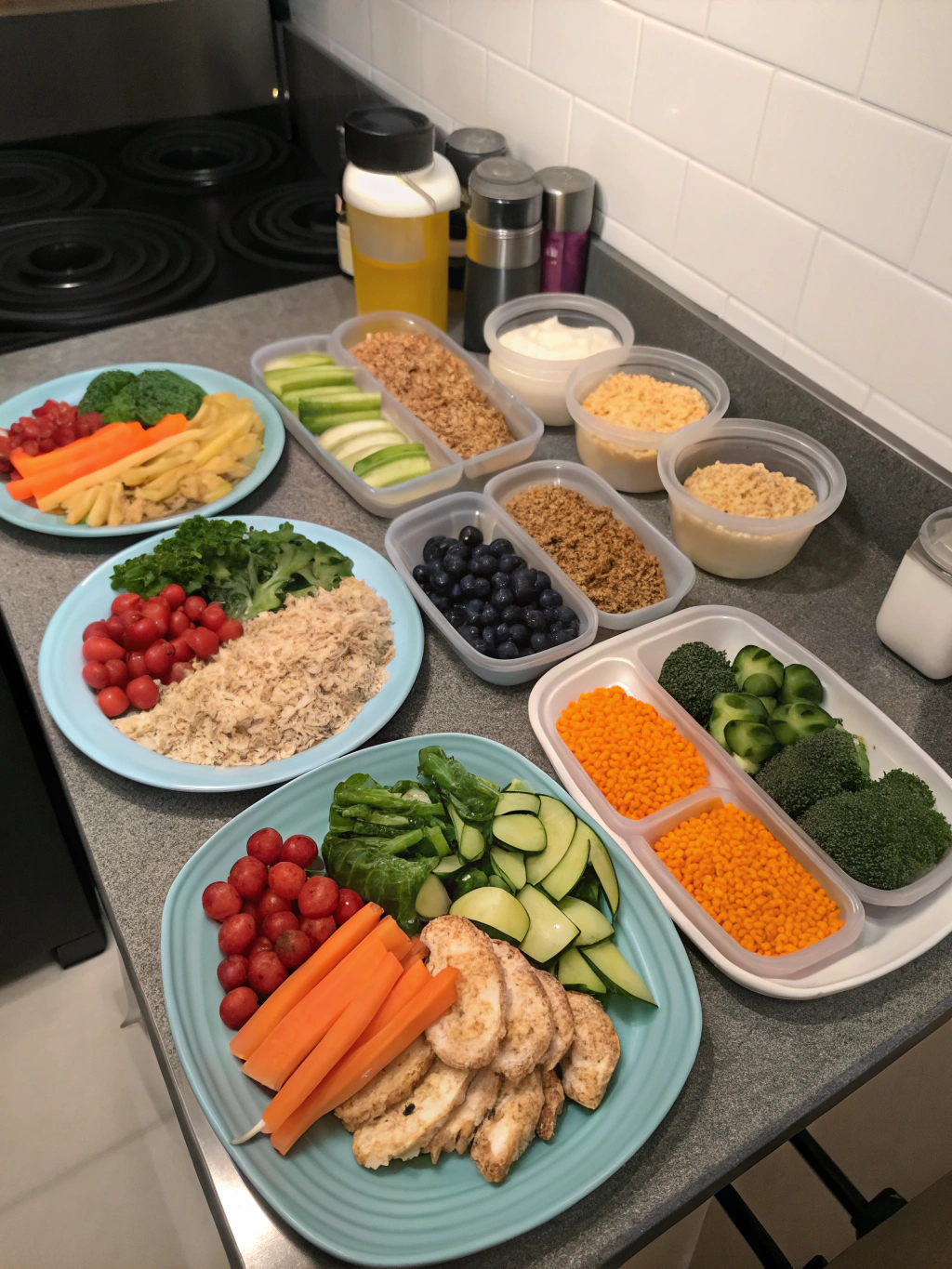
For a complete week of meal preps, you’ll need these versatile staples:
- 2 lbs boneless chicken breast (substitute with tofu for vegetarian options)
- 1 lb lean ground turkey (or lentils for plant-based alternative)
- 2 cups brown rice (or quinoa for higher protein content)
- 2 sweet potatoes
- 1 head of broccoli
- 2 bell peppers (any color)
- 1 bag baby spinach
- 1 container cherry tomatoes
- 1 can black beans
- 1 can chickpeas
- Olive oil, salt, pepper, and your favorite herbs/spices
- 7-10 meal prep containers (preferably glass for durability)
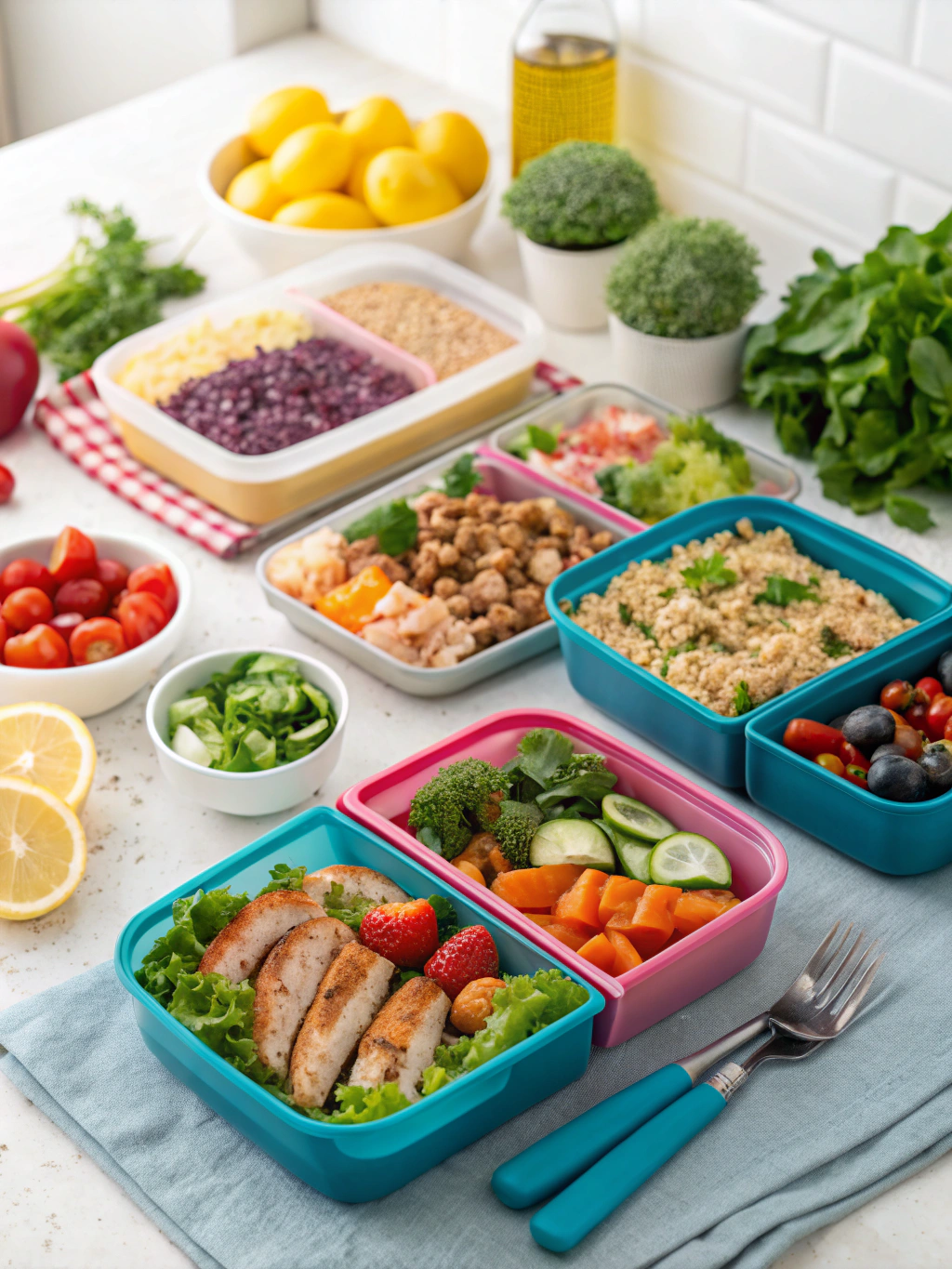
These ingredients form the foundation of our meal prep ideas for the week, providing a perfect balance of proteins, complex carbohydrates, and vegetables.
Timing
- Preparation time: 30 minutes
- Cooking time: 90 minutes
- Total time: 2 hours (25% less time than preparing individual meals throughout the week)
- Yields: 7-10 meals (depending on portion sizes)
This efficient approach saves an average of 3+ hours weekly compared to daily cooking, giving you back valuable time while ensuring you eat nutritious meals.
Step-by-Step Instructions
Step 1: Organize Your Workspace
Begin by clearing your counter space and gathering all ingredients, containers, and cooking equipment. Studies show that an organized workspace can reduce preparation time by up to 15%. Preheat your oven to 425°F for roasting vegetables and proteins simultaneously.
Step 2: Prep Your Proteins
Season chicken breasts with olive oil, salt, pepper, and your favorite herbs. Place on a baking sheet. In a bowl, mix ground turkey with spices and form into meatballs or patties on another sheet. Both can roast simultaneously for 20-25 minutes until fully cooked.
Step 3: Start Your Grains
While proteins are cooking, rinse brown rice or quinoa thoroughly. Use the 2:1 water to grain ratio and cook according to package instructions. Pro tip: Adding a teaspoon of olive oil prevents sticking and enhances flavor absorption.
Step 4: Roast Your Vegetables
Chop sweet potatoes, broccoli, and bell peppers into uniform pieces. Toss with olive oil, salt, and pepper, then spread on a baking sheet. Roast at 425°F for 20-25 minutes until caramelized and tender.
Step 5: Prepare Quick Fresh Components
Wash spinach and tomatoes. Rinse and drain black beans and chickpeas. These fresh components will be added to your meals without pre-cooking, saving time while maintaining nutritional value.
Step 6: Assemble Your Meals
Create balanced containers with: 4-6 oz protein, ½ cup cooked grains, 1 cup roasted vegetables, and ½ cup fresh components. Vary combinations to prevent meal fatigue—a common reason people abandon their meal prep ideas for the week.
Step 7: Store Properly
Allow meals to cool completely before sealing containers to prevent condensation. Label with dates and store in the refrigerator for 3-4 days. Freeze any meals you plan to consume later in the week.
Nutritional Information
Each balanced meal prep container provides approximately:
- Calories: 350-450
- Protein: 30-35g
- Carbohydrates: 40-45g
- Fiber: 8-10g
- Healthy fats: 10-15g
This macronutrient balance helps maintain steady energy levels throughout the day, with research showing that consistent protein intake improves muscle maintenance and satiety by up to 25%.
Healthier Alternatives for the Recipe
For lower-carb options, substitute cauliflower rice for brown rice, reducing carbohydrates by 75% while maintaining volume. Replace chicken with wild-caught salmon for increased omega-3 fatty acids, which can improve heart health by up to 15% according to recent studies.
For plant-based meal preppers, tempeh provides 31g of protein per cup while delivering beneficial probiotics. These alternatives maintain the simplicity of our meal prep ideas healthy while accommodating various dietary preferences.
Serving Suggestions
Enhance your prepped meals with these serving ideas:
- Add a quarter of an avocado just before eating for healthy fats
- Drizzle with homemade vinaigrette stored separately
- Include a lemon wedge to squeeze fresh before eating
- Pair with a cup of bone broth for extra protein and warmth
These simple additions transform your meal prep lunch ideas into restaurant-quality meals with minimal effort.
Common Mistakes to Avoid
- Over-packing containers: Leave 20% space to prevent sogginess
- Under-seasoning: Meals often need 15% more seasoning when eating cold
- Ignoring texture variety: Combine crunchy, soft, and chewy elements
- Meal monotony: Create at least 3 different meal variations to prevent boredom
- Poor storage: Always cool completely before refrigerating to prevent bacterial growth
Avoiding these mistakes significantly improves the quality of your weekly meal prep experience.
Storing Tips for the Recipe
Refrigerated meal preps maintain peak freshness for 3-4 days. For extended storage, freeze meals immediately after cooling. Glass containers prevent flavor transfer and are microwave-safe. Keep dressings, avocados, and crunchy toppings in separate containers to add just before eating.
These storage practices optimize your cheap meal prep ideas by minimizing food waste—Americans throw away approximately 30% of prepared food due to improper storage.
Conclusion
Implementing these meal prep ideas for the week can revolutionize your eating habits while saving precious time and money. The initial 2-hour investment yields a week of balanced, delicious meals that support your health goals and reduce daily decision fatigue.
Start with this simple framework and gradually customize it to your preferences. Your future self will thank you when you’re enjoying home-cooked, nutritious meals even on your busiest days. What meal prep combination will you try first this weekend?
FAQs
How long do meal preps really last in the refrigerator?
Most properly cooled and stored meal preps remain fresh for 3-4 days in the refrigerator. Meals with seafood should be consumed within 2 days, while vegetable-based preparations can sometimes last up to 5 days.
Can I freeze all meal prep components?
While most components freeze well, some vegetables like cucumbers, raw tomatoes, and leafy greens lose their texture when frozen. For these items, prepare them separately and add fresh to your defrosted meals.
How do I prevent meal prep fatigue?
Create at least 3 different flavor profiles using versatile spice blends like Mexican, Mediterranean, or Asian-inspired seasonings. Rotate protein sources and change up your grain and vegetable combinations weekly.
Are glass or plastic containers better for meal prep?
Glass containers are generally superior as they don’t absorb odors or stains, are microwave-safe without chemical concerns, and typically last longer. The initial investment is higher but pays off over time.
How can I make meal prep more economical?
Focus on seasonal vegetables, buy proteins in bulk when on sale, utilize dried beans instead of canned, and incorporate budget-friendly whole grains like rice and oats. These strategies can reduce meal costs by up to 40%.
Did you try our recipe ?
There are no reviews yet. Be the first one to write one.